NEWS

Who’s in charge?

Tuesday, September 22nd, 2009

I am becoming increasingly aware that my role of natural animal therapist is largely to put the animals back in charge of their own healing.
Pondering this today, I am reminded of who is really in charge.
With a deep personal conviction that the Universe and the Creator loves us all more than we can possibly imagine and more even than we love each other, it follows that He is also going to be far more caring of His Creation than we can ever hope to be.

images-22

As guardians of the life force within us, we do our best to maintain health and to make progress. The vital force that we, as homeopaths, work with inside animals is also one of these trusted guardians.  It is necessary to be able to recognise this force and to ascertain its capacity to some extent in order to assist it homeopathically.  As a colleague keeps reminding me, this force is always going to try to do the best thing for the individual. Whilst it is a disturbance to the vital force that causes disease, the animal will then manifest symptoms so that a remedy can be matched to the level and type of disturbance. This is the essence of our art as homeopaths and the basis on which a cure can occur.

images-6
I have been observing the work of an animal communicator recently, which has also brought this issue more to the fore.  Over time and like many in my profession, I have run the full gamut of scepticism and acceptance of this skill. As I strive to ‘get a handle’ on my understanding of this technique, I realise that the animals themselves are as unaware of their higher selves as are many of us.
The vital force is not the highest self but it is largely an unconscious aspect of our being nonetheless. I observe that animal communicators can listen to the animals’ conscious selves in ways that they are able to silently articulate their thoughts and feelings to some extent. Animals have varying levels of intelligence and every living thing has it to some degree. Only the communicator themselves can adequately describe their art and I do not profess to function at this level in order to be qualified to elaborate further upon it. Suffice to say that, as a thinker, I have been challenged recently to identify these phenomena as I ponder my own work.
I observe that a communicator can assist in the following ways.  They can get the animals perspective which can assist to create an opportunity to make a shift in thinking and energy in a situation. They can validate or refute the effectiveness of a management practice that has been employed and may be causing problems for the animal. They can help owners to understand their animals better.

images1
They can provide information that can be challenging to the owner but may help them to grow in their relationships.  Some people would not want to know what their animals are thinking or feeling for fear of the requirements to make changes. Others are very grateful for the insights into situations that help them to solve problems with behaviour especially.

images-7From a therapeutic viewpoint however, I believe and observe that most animals are no more capable of healing themselves when these blocks occur than are we ourselves.  Disease occurs at the level of the vital force, which is a subconscious or unconscious level. Information gleaned from the outer layers including the mind and emotion can be useful in formulating rubrics (homeopathic symptom lists). Many eminent homeopaths highlight the importance of ‘mentals’ or symptoms of the mind. A communicator can assist in identifying these just as a physician can identify the physical symptoms. The information they can provide can therefore be as useful as the ‘mentals’ that are so much more easily obtained in people.
There are also a lot of people who think it is fun to have this type of communication with their animals just for the joy factor.

I suppose the bottom line in therapy is not so much what you know but how you can put it to good use.

images-8

It is comforting to know that there are many levels of help available.

To desex or not to desex

Saturday, August 22nd, 2009

A question that many people ask me is “when do I get my pet desexed * and do I have to?”

This is something that has been debated for as long as I can recall and until recently and despite being in Veterinary practice for over two decades, I had little understanding myself of the reasons behind this decision.
As with everything, it is better to make informed choices but information on this subject has been slow to appear. It will always be the prerogative of pet owners to make their own decisions but a balance of arguments need to be considered.
Being one myself to always challenge convention I am a little nonplussed by my acceptance of the current practice of prepubertal desexing. **tiny kitten

Ideally it may seem nice to keep animals intact but if they are not being used for intentional breeding then very many of them will engage in unintentional breeding. This potentially compounds the dire animal welfare situation that still exists with thousands of unwanted animals being destroyed annually.  The majority of pet owners therefore, will elect to desex their pets for this and a variety of other reasons.

This posting is designed to provide considerations to assist in making this decision. It also poses it’s own questions to ponder.puppy china

From an homeopathic perspective, prepubertal desexing may remove the ‘system’ from the animals radar or vital vigilance. Theoretically then, the body does not know it has, or had, a reproductive capacity. This perhaps removes any physical ‘issues’ surrounding reproductive activity or the lack thereof.
As one homeopathic colleague suggests “they don’t miss what they never had”.
A counterpoint to this idea is that the brain is the largest sex organ and with or without hormones it will create certain behavioural patterns albeit fewer than it would in the presence of sex hormones.

Desexed cats will still respond to increasing/decreasing daylight stimuli to the pineal gland that governs mating behaviour.  The highest incidence of cystitis (urinary bladder inflammation) and fighting in desexed cats occurs at solstice times (Winter especially) as a result of this phenomenon. When the reproductive system is removed the body finds outlet for disease through other organs like the urinary system. This is easily overlooked and misdiagnosed as a result.

In Vet school in Australia we always thought the Poms (Vets in England), were a bit behind in generally recommending that bitches have a season (oestrus cycle) before speying. We were taught here the classic ‘oestrogen priming theory’, whereby a system once primed with oestrogen can still go on to produce mammary cancer even if ovariectomised. I imagine there must have been cases of such for this to have been expounded to vet students.
I discovered more recently, however, the merits in allowing the animals to ‘come into their own’ or be hormonally primed prior to desexing. I had success with treating an animal (speyed) that I believed was exhibiting resentment (behavioural abberation) for not being able to have pups as a result of having been desexed. I think/owner thinks she was desexed prepubertally but maybe if she had a silent heat she may have been primed, so I am not certain that this behaviour arose spontaneously without hormonal priming. It’s also only one case and only my interpretation but it perhaps challenges the emotional, behavioural and personality development aspects of a pet and the effects that desexing may have at this level. olderx2 with golden

Giving animals an opportunity to grow and mature under the influence of sex hormones may cause a greater ‘jolt’ when this is removed.  I have seen dogs become depressed when castrated as adults and not as juveniles.

Homeopathically speaking we want to allow expression without suppression  which is very difficult to achieve in animals that have no control over their sex instinct. Undesexed animals, a natural state, can be challenging to manage well and medical intervention leads to it’s own set of problems and cannot be recommended.  Pyometritis (uterine infections) and cycle aberrations are common in animals who have had their reproductive cycles altered medicinally and this can hardly be called natural practice. And so the debate continues in this cycle of pro and conlab pup

The cases of juvenile vulval incontinence and male urolith obstruction were common problems long before prepubertal desexing became the norm so regardless of age at desexing these juvenile physical characteristics can seemingly arise. Maybe a fully mature animal has fewer problems here.
Not being in general practice now for over five years I don’t know what is happening with the current early desexing outcomes in this regard nor the incidence of cancers of the reproductive system which even then seemed hugely overrepresented in entire animals for obvious reasons.  I find myself wondering now however whether the increased incidence of cancer in animals in general is any worse than having a reproductive outlet for this disease.  It is perhaps easier to remove a dogs ovaries than her urinary bladder once cancer becomes established in cancer prone animals. Or is being entire really an invitation for reproductive cancer in its own right?

It would also be almost impossible to detect specific cases of delayed intelligence in desexed animals but family farming sources repeatedly believed their working dogs (female especially) worked better when entire. This may be as much related to increased energy as presumed intellect.

What about the suggestion of less than optimal growth in prepubertal desexed animals?

icecream pupIt is widely accepted, for example, that geldings do not attain the muscle development and bulk of stallions and a possibility that mares (entire female horses) generally perform better in races.
I remember an endocrinologist challenging me about why desexed animals don’t become osteoporotic like men who lose their testicles to cancer and I had no answers. There is a definite link between calcium deposition and bone growth and sex hormones. It doesn’t appear to be of major importance in the health maintenance of animals but you have to wonder if stallions would have as many bone fractures or chips as geldings and whether the incidence of bone injuries is lower in mares.
There are sound management reasons for gelding (desexing) stallions.

Other factors to consider when contemplating desexing your pet include;
-anaesthesia risks, minimized by modern good practice and practitioner experience
-surgical risk minimized by practitioner experience and practice standard
-leg cocking and territory marking in males can continue after desexing
-aggression and fighting can continue after desexing
-overpopulation of unwanted animals is a serious issue and ‘accidents’ happen even in well managed animals
-a bitch in season effectively needs isolation for 3 weeks to minimise pregnancy risk
-animals not being used for breeding may develop other problematic outlets of behaviour when normal sexual outlets are denied.
-Instinctive behaviour is already being repressed in domestic pets at many levels
-whilst testicular and ovarian cancer does not occur if desexed, the tendency to cancer in the prone animal is not reduced and therefore can occur elsewhere
-the truth lies at the intersection of all available theories if you can find these pointsprayers

It is always helpful to seek the professional opinions of those you trust. Veterinarians, amongst others, have both the experience and knowledge to provide advice in these matters.
Good luck in finding the help you need to decide for yourselves when or whether to desex your pets.

* desex: surgical removal of ovaries and uterus or spey in females and surgical removal of testicles, castration or neuter in males

**  prepubertal desexing occurs before sexual maturity and hormonal priming.

An Information Page

Tuesday, June 2nd, 2009

As more people are seeking reliable information on alternative health options for both themselves and their pets, it is becoming increasingly necessary to have access to accurate and easily understood sources.
On this  information highway, there also needs to be somewhere to stop and take time to reflect upon the ideas that appeal to us. I tell my clients that this involves listening to their own gut feelings about what seems right for them.
I am prompted to post this today in response to this need and in the hope that some of you will take inspiration and encouragement to look a little deeper into alternative health options.

Much of the philosophy on disease and natural healing presented here will be inspired by homeopathic teachings of luminaries such as George Vithoulkas and Constantine Hering amongst others. Although the principles outlined here are applicable to all species, I will be speaking mainly about domestic animal health.

Disease is a disturbance to the vital (life) force. This same force then causes symptoms to appear that mirror this level of disturbance. These symptoms represent the disease and what is to be cured. Recognising these symptoms leads us to identify a remedy as in the true homeopathic sense, ‘like cures like’.

The tenets of natural health practice are, in essence, very simple. There is, however, an abundance of conventional practices that we have acquired over many years that we need to feel confident to abandon in our search for better health.

Some of these trusted processes include yearly vaccinations, commercial pet foods, over medication of long standing disease and the definition of cure.

These will be addressed simply and separately in the following paragraphs.

Vaccinations
Vaccinations are not required to be given every year to protect against disease.
In fact, for dogs, a single vaccination at maturity after five months of age is sufficient to confer lifelong protection from distemper and hepatitis and many years protection from parvovirus and rabies. The overuse of vaccines creates numerous health problems. See vaccination alternatives. Similarly cats do not require repeated vaccination to protect them from disease. Feline leukaemia vaccinations have been directly implicated in causing cancer at the injection site in many cats.
One of the founding principles of natural health practice is to reduce the incidence of repeated vaccinations.

Commercial pet foods
Tinned and dry foods are not the best diets to feed your animals unless nothing else is available.
They should be termed convenience foods and, to be fair, we all need to use these sometimes. I suggest feeding them as little as possible.
The tinned and dry food diets are ‘dead food’. Apart from the high grain contents that they all contain, any meat products in them are so old and overcooked and of such poor quality, that it is a miracle that many animals survive as well as they appear to do on them.
By far the best food for all species is fresh food. Raw meaty bones for all carnivorous species is not only more appropriate, but essential for optimal ongoing good health in these animals.
Despite extensive efforts by pet food companies to convince us of the benefits of their foods, a diet of raw fresh meaty bones constitutes the basis for a fully balanced diet for cats and dogs. With the addition of a little raw fat or oil and raw vegetable slurry, it is far superior to a ‘scientifically balanced diet’ in a packet.
Australian veterinarians, Drs Clare Middle and Ian Billinghurst are well known for their contributions in this area and fresh food forms the basis of all good natural health practice.
See also chewing things over.

Medicating long standing disease
This practice can actually drive disease to an even deeper level in the body as a result of being denied a normal expression or outlet.

The following information will challenge many conventoinal concepts of disease and cure but this is what is required for alternative practice to be effective.
For example, it is quite common for minor external ailments like skin rashes to be treated with cortisone or antibiotic at the first appearance and sometimes for extended periods.

Often these rashes are merely an indication that the body needs to eliminate something.(something more than bacteria which are usually normal and harmless bystanders)

It is a common misconception then that these drugs cure disease. They will often cause symptoms to disappear but this is not a true cure of disease. The underlying cause has not been addressed, in this example, the need to eliminate something other than secondary infection which may or may not exist. The skin is a major route of detoxification and preventing this will cause problems.

With extended use of pharmaceutical preparation, the body is forced to find new outlets for disease.  In this way, disease can effectively be driven into deeper layers of the being until major organ disease or cancer eventually becomes life threatening. As the skin and the nervous systems are connected both developmentally and homeopathically it is quite common for nervous symptoms to arise following such an incomplete cure.

There is also no coincidence that allergy prone animals with skin disease generally have a lot of nervous anxiety.

Before undertaking any form of treatment it is advisable to find out how it is intended to work and what the possible ramifications are likely to be for future health.

Conventional medicines or ‘allopathics’ are designed to work against the symptoms and hence against the vital (life) force that is expressing these symptoms.
Homeopathy will work with the vital force and assist it to overcome the disease.

Once homeopathic treatment is undertaken it is also important to remember that the cure will often follow the reverse order of disease. A recurrence of previous ailments in lesser severity is therefore quite common as cure progresses. This is the body’s way of eliminating disease by throwing it to the outside and to lesser important organs or areas like the skin.
The vital (life) force that is responsible both for disease symptoms and cure is going to focus on the most important and deepest disease. An animal showing signs of liver cancer may therefore seem to have been cured of his inflammatory bowel disease when in fact it has just been over ridden by a more challenging disease process on which the vital force is now focussing and expressing itself .
Successful treatment in this case may then see a recurrence of bowel symptoms of lesser severity as healing of the liver progresses.
The skin is generally the last organ of cure and if an animal has had a life threatening condition and ends up with only a skin rash, then this is often cause for celebration.
Sometimes treating this skin rash is ill advised as it may be a necessary last remaining and ongoing outlet for disease in an animal with truly ‘incurable’ disease. It can live with skin disease!

Summary Statements

There is no need to repeatedly vaccinate animals
The best diets are raw and fresh foods. (freezing is OK)
Avoid the over use of pharmaceuticals like cortisone, antibiotics and other ‘allopathics’.
Recognise that symptoms are an attempt to throw off disease and are not the disease itself.
Forcefully eliminating symptoms is not treating or curing disease.
Cure occurs only by nurturing the vital force and restoring strength.
Remember that cure usually occurs in the reverse order to the appearance of disease.
Cure moves from inside to outside with skin symptoms being the last to remain.

and finally,
Trust the process you choose.

Treating burns

Sunday, March 8th, 2009

As much of central east Victoria fights for its life in the face of the worst bushfires the nation has seen in history, our hearts must go out to all involved this Summer 2009. This will include the masses of helpless wildlife falling victim to Australia’s greatest enemy.
As a dry and open country, Australia has always been prey to fire. It serves to renew and reawaken senescent bushland and plains but in its wake it also takes the lives of many caught in its path. Those who survive can need major assistance.
I was heartened to hear of the massive rescue efforts of countless hundreds of volunteers who try to help the animals who have no escape. It is a miracle that any of them survive but I long ago came to realise the indomitability of some of Australias native animals.
They are as tough and resilient as the nation they inhabit. They can climb and burrow and swim unlike many other species.
Whilst the majority of the animals injured will have been humanely destroyed or have died naturally, those who sustain lesser degree injuries can often be nursed.
Shock and smoke damage to eyes and lungs is a major threat.


Many native Australian animals have thick oily fur to assist heat repulsion but their feet and extremities can be badly burnt. Sheep are also less susceptible owing to their wool but with badly burnt feet they are unable to survive.


Remedies that are essential for burns victims are;

Rescue remedy: Bach flower essence to allay shock. Given as drops or spray to mucous membranes (mouth usually) half hourly then as required. Shock is the biggest threat to survival. Australian Bush Essence equivalent is Emergency Essence.

Mulla Mulla: Australian Bush Essence for distress in fires and heat.This can be used in conjunction with emergency essence.

Colloidal silver: Most burns preparations throughout history had silver in them. This is nature’s antibiotic and healing agent par excellence for burns. The koala rescue team are now bandaging the feet of koalas with wet sponges of colloidal silver to good effect. Used topically and preferably under a cover this will greatly increase survival.
Covering burns: Undoubtedly one of the most important first aid moves is to ensure that burns are covered and that body water is not lost through broken skin. Next to shock, dehydration is the biggest killer. We use glad wrap in people but any bandaging is effective if it is moist.
Homeopathically, the best first line of treatment if found early is to gradually cool the victim. Despite popular belief that this is best done with cold applications, by far a more successful technique is to use warm to very warm water to bath and soak burns. Whilst this may sound contrary it will enable the shocked system to adjust much more effectively and will preserve skin better than further shocking with cold. A gradual return to normality will enhance survival and minimise shock and scarring.
Remedies that will be very useful are Cantharis in high potency, up to 10M given frequently for the first few hours, Arnica orally for shock and infection control with Calendula topically, Apis and or Carbo veg if lung oedema is present. There are many other helpful remedies but if these ones are available they can certainly save lives.

I would like to thank all those who are toiling tirelessly to ensure that the devastation is minimised and send tribute to all those whose lives are touched by this recent disaster.

Dogged by Inheritance

Friday, March 6th, 2009

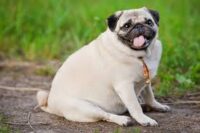
I find myself wondering sometimes what we have really done to our oldest and most loyal animal companions. Some dogs are now barely even recognisable as canine through our manipulation of their gene pool. We are so used to seeing them like this that we don’t even question their authenticity as ‘dog’ but I distinctly recall thinking not so long ago, as I pondered a Pug, how almost human looking and childlike in behaviour it seemed. In effect all that had happened to it was that its once long muzzle had been shortened to the extent that it ran the risk of almost suffocating on its elongated soft palate and its eyeballs barely had room to sit inside their sockets. Despite all that, however, I remember thinking how endearing it seemed and behaved and completely understood why a client of mine used to refer to his ‘Pug-Adonis’.
Modern dogs of this kind still mostly manage to retain their dogness enough to be endearing and convincing.

On the whole, they have fared reasonably well and have managed to maintain some dignity despite becoming child substitutes in many families

It is hard to believe, to look at, that nearly all dogs supposedly originated from the Asian grey wolf some 14,000 years ago. It is equally likely that isolated groups of canids in separate ancient civilisations evolved independently to give us the genetic variations to begin the game. The temple statue ‘Fu dogs’ or guardian stone lion dogs of ancient China, were modelled on one of the oldest known dogs, the Chow-Chow as real lions did not exist in China. Pugs and Pekes are clearly related to these and Lhasas are the Tibetan temple dog equivalent. In fact the Pekingese is still referred to as the Fu dog in China.

Almost certainly our own home grown Kelpie has dingo ancestry even though the dingo itself is regarded as a domestic dog returned to the wild. We need to be careful to avoid assumptions however as, despite popular belief that the Pharaoh hound originated in Ancient Egypt, it really should be named the Maltese dog as it is the original indigenous hound of Malta from only 500 years ago. Ancient Egyptian canids were most likely jackals and not wolves or dogs, more related to the coyote than to ‘mans best friend’ Suffice to say, the dog has a very large family tree these days with over four hundred registered breeds and continually expanding.

I would actually be quite intimidated by dogs if they all looked like wolves nowadays, as I have become so accustomed to our new age, user friendly range. Nevertheless, when we consider the massive differences now in physical appearance, ability and behaviour of the range of dog breeds the world over, it seems a bit overwhelming that we could have ‘created’ such diversity albeit through much time and selective breeding processes.
In retrospect, we ourselves seem to have changed in appearance, ability and behaviour perhaps to even an equal degree over the same period of time.

Perhaps the most difficult thing to accept, nonetheless, is the infliction of dysfunction and disease susceptibility that has arisen in a large number of pure breeds in more recent times. I remember as a vet student having to learn a list of breed predispositions for my clinical exams. I can see that the list has grown considerably longer over the last twenty years to an alarming extent. To be fair, some of the genetic tendencies have also reduced as a result of responsible action on the part of dedicated breeders but it seems that inbred traits can be hard to shift. The term ‘hybrid vigour’ possibly came into common usage as an observation of the resilience of crossbred dogs to many genetic diseases of their purebred counterparts. Enter the good old ‘mongrel’ or ‘Heinz variety’ with equal charm and functionality but added vitality and fewer vet bills.

It is not my intention to challenge those who make the decisions about how to genetically manipulate dog breeds. I confess, however, to being very pleased that the practice of tail docking is largely outdated and outlawed in most breeds nowadays, at least in this country. It gives me such joy to see a Rotti with its tail held high and proud or a Boxer still learning to have a tail again. The littlest dogs are the waggiest usually and the Jack Russells have converted their new tails into veritable propellers that almost get them airborne.

Despite some controversy over the origins and purpose of many breeds of dogs, it is safe to say that a host of canine variety now exists to augment our domestic bliss the world over. Most breeds of dogs are now found in most countries around the world and a very large number of households have canine inhabitants.

It is impossible for me to imagine human life without dogs. Such is their place in our lives for as long as I can remember.

see also Working dogs

and A dogs life in Adelaide

Homeopathic Homecare

Wednesday, November 19th, 2008

Whilst it is not always possible to get immediate Veterinary attention, it is possible to administer some basic first aid or principles to an animal in distress.
There have been innumerable books written on this subject but the ‘take home message’ should always be the same.
Trust in your own capacity to act always in the best interests of your pet and your family in times of stress. In short, take a minute to stop, look and process the information. We all have different ways of dealing with problems and we need to be comfortable with our own decisions. I am, therefore, often asked by my clients to give them an idea of what they can do in certain circumstances since many of my clients have some knowledge of natural healing and have remedies on hand.

In extreme emergencies which, fortunately, also do not occur very often; the road traumas and serious injuries with bleeding or tissue damage, the standard first principles apply. Firm pressure on bleeding wound, immobilisation of injuries and trying to stay calm until veterinary attention can be sought. Rescue remedy and Arnica are well indicated in these cases and maybe Aconite for fear. In these situations, first aid remedies can be given two or three times an hour for the first few hours. Both the owner and the animal can benefit from the remedies in these circumstances. Caution must also be exercised in approaching a terrified or injured animal even if they are your own as they will bite. Placing a cover gently over them first will calm them and assist you to assess the situation and handle them more safely.

Many enquiries, however, come from those niggling cases of annoying illnesses like itchy skin and ear infections where the advice will be to be patient and not overmedicate. It is all too tempting to think that doing more will be helpful when, in fact, the tenet of good practice is often that less is best. A dog or cat driven to distraction with skin disease requires calming in their system. This can often be achieved through such things as cool or warm bathing, feeding flax oil, massage or Bowen, giving them raw meaty bones to chew or adding Vitamin C to their diet as a supplement or as a raw green vegie slurry. All or any of these simple practices can assist the immune system to calm itself and reduce anxiety in the animal and owner.

Now that Summer is upon us in Australia, many farmers have taken to carrying bottles of vitamin C injection in their work vehicles in the event of unforeseeable but possible snakebites.

There is much controversy about this practice and I am not about to enter into a debate about the efficacy of Vitamin C in these cases, except to say that vitamin C is far more and greater than just a dietary supplement! I would add that it needs to be given in high doses and preferably intravenously or at least intramuscularly to be an extremely effective protectant against toxic insult to cells. It can save lives and can be applicable for any envenomations from ticks, spiders, snakes and the like.

For those of you who dabble in homeopathics I would recommend that, if veterinary advice is unavailable, you administer one well selected remedy and try to be patient. When we set a healing action in place we have to be kind to the system and trust the process. If you are in doubt about what to give then you shouldn’t give anything. There are first aid homeopathic remedies available for home use for a variety of problems.

In the sad case where your beloved pet is nearing the end of their days the kindest thing you can do for them is to make them as comfortable as possible and allow them the freedom to assist themselves. This may involve placing feed and water dishes closer to their resting place, elevating their bedding in cases of incontinence or moving it to a more sheltered or quieter location. They may also appreciate more time patting and grooming as this will calm them in many circumstances. It will also assist you to make the adjustment and enable you to feel that you are really helping them.

Many of us become alarmed or frightened when sudden changes occur in the health or behaviour of our pets. This is quite normal and inevitable at times. In these cases the administration of rescue remedy ( a Bach Flower remedy) can be of enormous benefit both to the owner and the animal and can give you some thinking and breathing space to see more clearly what needs to be done.

Never underestimate your or your pet’s innate knowledge. With practice, it can be rediscovered and trusted to serve you both very well in these times of need.

A Oneness Heart

Tuesday, November 18th, 2008

December 26th 2004 is a tragic day etched into history and memory alike.

As this anniversary is fast approaching, I am prompted to pay tribute to my recollections of the tragic event.

Whilst I was visiting China with Sri Chinmoy and fellow students on a peaceful cultural exchange, in the Indian Ocean thousands of miles away and closer to my home, the worlds most devastating Tsunami was striking South East Asia.
In a another related clash of extremes, whilst I was contemplating my life away from Veterinary medicine, my friend and colleague Dr Elaine (Eu Ai) Ong was getting ready to go into action in the wake of the Tsunami in Sri Lanka as a field volunteer.

Perhaps one of the lesser known aftermaths of this tragic event was the unleashing of thousands of semidomesticated and wild dogs through these devastated countries. They survived in areas where the majority of people did not. As a result, the incidence of dog attacks from these terrified animals and the rate of rabies infestations rose dramatically, adding a deeper burden of suffering and danger to these torn nations.

Whilst Sri Chinmoy was soulfully praying and meditating with us in China and putting to music a most beautiful, immortal poem written by the President of China to the suffering people of South East Asia, unbeknownst to me, my friend was getting ready to fly directly to the battlefield.
I remember the feelings of shock starting to spread amongst our group as we realised the horror wrought upon the people in the Tsunami afflicted countries; the grief and the feelings of disbelief that Mother Nature could wreak such havoc upon countless innocent lives. It was quite some time before the extent of the devastation could be registered and even longer before it would begin to be reconciled.

Fortunately, it wasn’t too much longer before many of us were launching into practical solutions. The Oneness-Heart Tears and Smiles was instrumental in bringing much needed relief to the stricken region of Banda Ache with the provision of building materials and boats. The Art from the Heart program, another initiative of Sri Chinmoys, saw school children in Australia and from around the world creating pieces of art with messages of love and hope to be distributed to the orphaned children of Banda Ache. During these early months of adjustment, as I was helping with these projects at home, my vet colleagues were vaccinating and desexing dogs in Sri Lanka.

Whilst the majority of the Western world was seeking ways to assist the rebuilding of lives, a group of animal welfare workers from UK, USA, Australia and Asia were developing Tsunami Animal-People Alliance (TAPA). My colleague, Dr Eu Ai Ong, amongst them.

“The Tsunami Animal-People Alliance operates a field sterilisation clinic that moves within the tsunami disaster zone and refugee settlements, providing rabies vaccinations, sterilisations, and general vet treatment to animals who are individually owned, community owned, or true strays. The Sri Lankan people have been very receptive to our Sri Lankan teams’ helping their communities and their animals. Our goal is to vaccinate and sterilise five to six thousand animals per year, educate regarding responsible pet ownership, and raise awareness of the link between the welfare of the animals in a community and the welfare of the people.”

It has been almost four years now since the Great Tsunami and since countless lives were irrevocably altered. It seems strange to contemplate that whether we were personally afflicted or not, we all carry some of the torment wrought upon our earth on that fateful day. As a timely reminder of the connectedness of all life and all our lives it also serves as a catalyst to bring out our humanity and drive us to act with our hearts capacity to serve our fellow man.

It is very comforting to feel that we have the capacity to overcome the impediments that often prevent us from being better citizens of the world and from helping each other in such times of need. Hopefully we can continue to demonstrate these good qualities now without requiring such another tragic catalyst.

I know that people like Dr Ong and her colleagues have discovered new ways to serve humanity through these initiatives and long may they continue to inspire the rest of us to continue to think and behave a little differently for the ongoing betterment of our world.

A dogs life in Adelaide

Tuesday, July 15th, 2008

I visit Adelaide, South Australia, regularly to conduct clinics at the Holistic Veterinary Clinic. I really enjoy meeting new clients and patients and seeing regulars alike. It brings me joy to see how the animals are making progress with their healing and many of them are just seeing me now for maintenance rather than for new problems. Such is the beauty of natural practices. They bring benefit to both the patient and the practitioner. In fact, most of my regulars can’t wait to get their Bowen and hands on healing sessions and in turn they give me their gratitude after off loading any problems they happen to be still carrying.
It was on my last trip that I received the inspiration for this post.

Over lunchtime I spied a book review in the local paper that caught my eye and my imagination.
It is entitled ‘A dogs view of death’ and I think it should read ‘A dogs view of life’.
It is about a new work by author Garth Stein entitled ‘The Art of Racing in the Rain’ which was apparently inspired by a documentary he saw on Mongolia, detailing the belief that a dog’s next incarnation is to become human.
There follows a transcript from the opening pages that describes the main character, a dog, waiting for his master to come home and reflecting upon his limitations of being ‘stuffed into a dog’s body ‘ when he really feels that he has a human soul. His is influenced in his convictions by the the best thing he’d ever seen on TV since the 1993 Grand Prix when Ayrton Senna proved himself to be a genius in the rain, a documentary that explained everything to him. It made it all clear, told the whole truth; when a dog is finished living his lifetimes as a dog, his next incarnation will be as a man. The dog is old and decides he is ready to be a man now and to adopt human form even if it means leaving behind all he has learned and all he has been. All of his experiences and memories. He tries to force an imprint of his life into the fabric of his soul so that when he looks at his new hands with their thumbs that are able to close tightly around his fingers, he will already know, already see. It’s what’s inside that’s important.

The dog reflects that he has a man’s soul, but the flipside of this is what he can bring to his human life as he forces himself to remember all he has been.
On the notice board at the Holistic Vet Clinic is the following:

CANINE LIFE RULES

If dogs could teach us we would learn things such as

~ when loved ones come home always run to greet them
~ never pass up the opportunity to go for a joyride
~ allow the experience of fresh air and wind in your face to be pure
ecstasy
~ when it’s in your best interest, practice obedience
~ let others know when they have invaded your territory
~ take naps and stretch before rising
~ run, romp and play daily
~ thrive on attention and let people touch you
~ avoid biting when a simple growl will do
~ on warm days, stop to lie on your back on the grass
~ on hot days, drink lots of water and lay on your back under a shady
tree
~ when you are happy, dance and wag your entire body
~ no matter how often you are scolded, don’t buy into the guilt thing
and pout…run back and make friends
~ delight in the simple joy of a long walk
~ eat with gusto and enthusiasm. Stop when you have had enough
~ be loyal
~ never pretend to be something you are not
~ if what you want lies buried, dig until you find it
~ when someone is having a bad day, be silent, sit close by and nuzzle
them gently

So man or dog, if opposable thumbs is the only difference between us, we have much to learn from each other it seems!

The vaccination alternative

Tuesday, July 15th, 2008

Annual vaccination of dogs and cats has been an established norm within the veterinary profession for decades. There is no doubt that widespread and regular vaccination of pets has had significant benefits in the control of major infectious diseases. We have seen the practical eradication of canine distemper from some urban dog populations and a significant impact on the severity and extent of parvoviral infection due to widespread use of vaccination.

Whilst vaccination has unquestionable benefits, the subject of annual revaccination is being increasingly examined. Although annual boosters may have been required in the past with the use of older types of vaccines, there is increasing evidence that modern vaccines provide long term effective immunity from infection. Recently published studies have shown that vaccinations in dogs and cats may provide significant serological titres lasting for at least 3 years and longer in some cases.

In companion animal practice there is an increasing awareness that automatic annual revaccination may not be necessary despite the recommendations of the vaccine manufacturers. Therefore the decision whether to revaccinate or not should be based on a sound assessment of:

• The risk of infection
• The risks associated with adverse responses
• Duration of response to specific vaccines
• Assessment of the serological titre where this is possible and appropriate

In the poultry and pig industries assessment of the serological titres of animals is well established as a valuable management tool. Analysis of the titres provides a quantifiable assessment of the vaccination status of the animals and thereby a measure of their susceptibility to disease and a rational indication for any requirement for revaccination.

From June 2008, Paws to heal will be offering two alternatives to yearly vaccinations for cats and dogs. The first of these is the above mentioned antibody titre test. This is a simple blood test that demonstrates levels of protective antibodies to canine distemper, hepatitis and parvovirus and feline rhinotracheitis and enteritis (C3 and F3 respectively). The second is homeopathic nosodes that are safe and effective alternatives for the majority of animals. I would stress that nosodes are not sufficient enough alone for young puppies to protect against parvo and distemper and, as such, recommend a single vaccination for young dogs ten to twelve weeks of age or later.  Nosodes seem very good alone for kennel cough and ‘cat flu’. It has been proven now that cats generally are immune for life with a single feline leukaemia vaccination at about 4 months of age for those who wish to vaccinate against this disease. This would reduce the risks of vaccination sarcoma (cancer) at injection sites with this vaccine. Vaccinating cats for chlamydia, bordatella and FIV is not proven to be effective so cannot currently be recommended.

Titre testing (antibody test) is accessible to all Veterinarians in Australia through Vetpath in Perth WA. For those of you wanting to use homeopathic methods please check the nearest veterinary homeopath to you either through Australian holistic veterinarians or a similar directory in your own country.

It has long been acknowledged that yearly vaccination of animals is probably not necessary and possibly, in some cases, harmful.

There has been much debate about yearly vaccinations both within and without the profession in Australia over the past few years and it is becoming generally accepted that vaccination every 3-5 years will be a likely recommendation. Registered triennial vaccinations for dogs are available at your local vet clinic.

Unfortunately, many boarding kennels and dog clubs have not kept pace with the current trends and still require current yearly vaccination certificates before animals can participate in activities. This is the result of a delay in information dissemination and also a lack of appreciation that vaccines are not always harmless and therefore not advised for some animals.

Paws to Heal, believes that many animals’ health is compromised by repeated yearly vaccination. These animals include ones with chronic illnesses like inflammatory bowel diseases, atopic or allergic skin diseases, severe arthritis, history of prolonged antibiotic or cortisone usage and animals on medications for kidney, liver or heart disease. Animals who have had vaccine reactions or ‘inexplicable illnesses’ post vaccination like immune mediated haemolytic anaemia, polyarthritis or haemorrhagic diseases are also advised against repeated vaccination.

Dr Richard Pitcairn, Holistic Veterinarian, explains vaccinosis very clearly.

Paws to heal can arrange to collect blood samples during a routine health check of your pet, as can all veterinarians. Most animals that have had vaccines within the past six years still demonstrate protective levels of antibodies. This makes the antibody or titre test a viable and safe alternative to yearly vaccination for the purposes of satisfying kennel or club requirements.

The success of your endeavours obviously depend largely on the acceptance of these alternatives by the clubs and kennels so please speak to your kennels and clubs to ascertain their willingness to accept testing and/or nosodes. Feel free to contact Paws to heal for further information at info@pawstoheal.com.au or mobile Australia only 0409169155

Chewing things over

Tuesday, June 24th, 2008

I have a theory that the process of chewing is far more important than has been generally realised. As an holistic Veterinarian I am, of course, always going to recommend the chewing of a raw meaty bone diet to my carnivorous patients but my interest in chewing goes a bit further and deeper than that.

I would like to share some ‘food for thought’ with you.

There are many stories and comments we hear over our lifetimes about certain things that can sometimes all come together down the track as a sort of epiphany. For quite a while now I have been thinking about chewing because it forms a large part of the advice I give to my clients on a daily basis. I decided some time ago that it is more significant than just providing animals with nutrition and set about to check up on some of the things I was starting to piece together in my own mind.

As a child I was always being told to chew my food. Apart from the etiquette attending good table manners, I didn’t realise the health benefits for many years later. My Aunt, at the age of 78, once confided that her good health was largely due to the fact that she chewed each mouthful of food at least 100 times and I thought she was a little loopy and had too much time on her hands.

A number of things have contrived to change my mind since that time. Recently, I learnt about the Buddhists ‘eating meditation’ through an article on a day spent with a humble, elderly, Tibetan peasant who meticulously chewed each single grain of rice in his dinner bowl. Reading this, I myself, was humbled. At first I thought he was so poor that he needed to make the meal last, but then as I read further my amazement grew. With each grain of rice he would offer gratitude to the Creator of the food and provider of rain and land, the farmer who sowed and reaped the grain and the person who cooked and prepared his meal. With each mouthful of food his enjoyment of life and satisfaction and gratitude increased.

I know that my Aunt was not practicing the meditation described so there must be other reasons why chewing is beneficial. There are almost 18 million entries in a ‘Google’ on chewing and most of the ones I looked at were about two things; chewing gum and the problem of dogs that chew. Well, personally I can’t stand gum chewing but dogs that chew things are right in my line of fire. There are thousands of entries of advice on how to stop dogs from chewing whilst acknowledging that it is a normal behaviour for them. By far the majority of research on the topic of chewing is mundane and unhelpful but a couple of interesting things pop up that reaffirm my belief that there is much more to this exercise than we realise.

‘New Scientist’ reports that chewing gum can improve short and long term memory. In test conditions it was shown that those given gum to chew performed significantly better on memory tests than those who didn’t chew. It is accepted that chewing stimulates saliva production that, in turn, raises insulin levels and whilst preparing the body for a meal also raises heart rate and sends glucose and oxygen to the brain. This increases mental alertness and improves learning. I don’t believe that the chewing gum stuck under all the desks at school was necessarily being used to aid learning but who knows?

Another report shows that chewing gum assists people recovering from bowel surgery to recover faster by stimulating the gut and improving motility following the physiology described above.

So it seems chewing is in. Unless of course, you are one of the dog owners who gets everything chewed!

From a Veterinary perspective, dogs that chew things around the house probably need to be fed a diet of raw meaty bones on a regular basis. I started to realise some time ago that the reasons for this are far deeper than just providing nutrition and I postulated ‘Dr Melinda’s chewing energy theory’. It goes a bit like this.

Given that chewing is normal behaviour for dogs it needs to be encouraged in a way that is beneficial for them and their owners. Instead of the plethora of advice about how to provide all sorts of options and training for animals that chew, we probably should just be giving them the best things to chew, raw meaty bones. This also maintains the flow of ‘good dog energy’. Healthy canine energy that is conducive to well being at all levels.
The chewing and grinding of raw meaty bones releases energy into the dogs system by the breaking of chemical bonds in the food substrate. Fresher, better quality foods therefore will have more vibrant life energy to release.
Further still is the activation of one of the most important ‘pumps’ in the body, that of the temporomandibular joint or (TMJ).

Osteopaths and Craniosacral practitioners will be well aware of the crucial nature of this joint in the jaw. My theory is not unique but perhaps not always seen in the context described. It seems that the TMJ is an extremely important energy centre in the body and that healthy chewing stimulates processes that maintain the health of the immune and endocrine systems partly via a pump effect to the cerebrospinal fluid (CSF). We also know this joint is the seat of anger, resentment and frustration in the diseased state in humans. As the sacroiliac joint maintains CSF health via nutation, its normal motion during walking, so too does the TMJ maintain at the higher end of the animal by chewing.

The late Tom Bowen of Geelong had a great reverence for his TMJ procedure along with his Coccyx procedure, both of which he considered the most powerful Bowen moves. This may affirm the importance of the possible effect on the flow of CSF via these procedures at either pole of the spinal axis. Interestingly too is that he recommended that these procedures not be conducted concurrently as they were equally powerful.

Chewing releases all sorts of natural opiates and endorphins that will achieve the ‘feel good’ effect as well as stimulating the gastrointestinal tract and providing mental stimulation. We know that the feeding of liquid diets alone will not maintain optimal health even whilst providing all necessary nutrients. The lack of opportunity to chew deprives us not only of satisfaction from our meal but also does not adequately prepare our bodies to receive and digest the food properly. This often results in stomach and intestinal disorders. Dogs and cats will naturally gulp down whole any food that they are not forced to chew including all processed wet or dry foods. They will mostly, on the other hand, chew meaty bones with relish. And if they don’t have raw meaty bones they will seek to chew other things perhaps.

People often say to me that feeding bones makes their dogs aggressive. It may seem that way. They are more likely to behave in a more canine manner. We probably have to learn to work with this as it is in dog nature to be stimulated by chewing. Aggression is definitely not to be encouraged but I suspect what is really happening is satisfaction at a dog level that we need to manage if it is being expressed inappropriately. Most enterprising dog owners can find ways around these difficulties once they realise the immeasurable benefits derived from chewing raw meaty bones.

Personally, I like nothing better than to sit down to a delicious meal of fresh and wholesome foods and I will be trying to remember from now on to take more time to chew thoroughly and enjoy equally.